
In this SustMeme Guest Post, Jane Marsh, Editor-in-Chief at Environment.co, explores why bats are now more at home in the urban environment, and what this means for business and the built environment.
JM: Most people think of bats hanging upside down in spooky, rural caves — not fluttering about city skylines. However, a surprising ecological shift is occurring in the heart of urban hubs.
Nationwide, these nocturnal creatures are making themselves at home in bridges, commercial establishments and warehouses. For many businesses, the trend has emerged as both an operational opportunity and a risk they can no longer ignore.
So what is drawing bats deep into the urban jungle?
Form caves to condos
The growing number of bats resident in urban areas represents a direct response to both the alarming impact of environmental pressures and the appeal of some unforeseen city perks.
Habitat loss, climate change, wind-turbine collisions and invasive species are just some of the threats facing bats. The population plunge has had particularly dire implications for many of their ecological services, including pollination and eating insects, which support agriculture.
The situation is serious. In North America, 53% of bat species have a moderate to high risk of extinction over the next 15 years, mainly due to rural development. This phenomenon is also occurring globally.
For instance, Australia’s flying fox faces extreme heat and deforestation, while hunting has endangered the Philippines’ golden-crowned flying fox. Altogether, 50% of these creatures are in a sharp decline.
Surprisingly, cities offer a compelling alternative as bats become increasingly pushed out of their habitats.
For one thing, the urban heat island effect creates ideal conditions for roosting and hunting insects. They are a mecca for moths and other flying pests, delivering a reliable food source. The built environment also provides shelter, as bats settle in concrete crevices or underneath bridges and building rafters.
Risk and opportunity
Although bats are beneficial for pest control — one bat can eat hundreds of thousands of insects during a nighttime forage — they present several challenges for commercial structures.
For example, guano accumulation and urine are highly acidic and may cause material corrosion and significant sanitation problems — these are not issues that building owners can simply ignore.
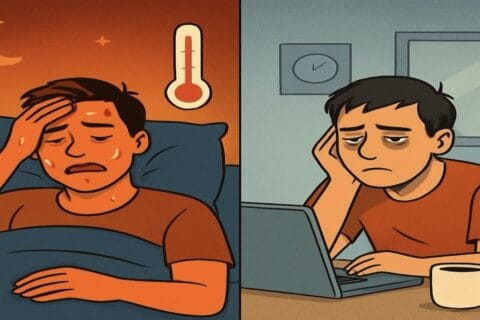
There are also health considerations and concerns. Workers exposed to bat excrement could develop histoplasmosis symptoms after three to 17 days, including fever and chills, headache, dry cough, chest pain and fatigue. In severe and chronic cases, it could impact lung function or lead to death.
The impacts present a liability for companies with a bat presence on their premises. Although, there is also an opportunity to build customer loyalty. With 44% of consumers identifying as purpose-driven, leaning into bat conservation creates a powerful brand statement. Humanely removing and protecting wildlife can resonate with stakeholders, especially the 80% of buyers willing to pay more for sustainability.
Proactive management
So, what can companies do to cohabit better with bats? Well, businesses should remain proactive with bat management to protect their commercial properties and their reputation. Conducting a thorough inspection of the exteriors for small cracks, roofline openings and unscreened vents is the first step.
Sealing potential entry points also helps protect the building. When bats leave for their nightly foraging, they will be unable to reenter, safeguarding both them and the structure.
Understanding local and federal wildlife regulations is also crucial, as many bat species are protected. Their removal is restricted and illegal during maternity seasons, which could result in hefty penalties for organisations. Humane and effective exclusion techniques are always the right approach.
Longer term, commercial enterprises seeking to coexist mores sustainably with wildlife should perhaps consider providing another habitat. So, rather than simply displacing the colony, businesses might install bat boxes in a location that is easily accessible, but far enough away from the main property.
Business benefits of bats
Ultimately, it is worth remembering that bats do offer some business benefits.
For a start, there is a strategic opportunity to leverage bats as a natural, cost-free pest-control solution.
Importantly, there can be reputational rewards, too. Learning to coexist with wildlife demonstrates a commitment to corporate social responsibility and environmental stewardship, positioning a brand as a community leader invested in biodiversity conservation, in a way that resonates with its stakeholders.

Jane Marsh is Editor-in-Chief of Environment.co, where she leads the publication’s mission to make sustainability accessible and actionable for readers worldwide. With a background in environmental journalism and communications, Jane has spent her career exploring the intersection of technology, policy, and sustainable living. Jane is passionate about advancing awareness around clean energy transitions, circular economy practices, and the future of green infrastructure. Under her editorial direction, Environment.co continues to highlight the people and tech driving a more sustainable planet.
Further Reading:
- More about features and news on Environment.co;
- Also on SustMeme, Business must lead on biodiversity or risk extinction;
- Also on SustMeme, Regenerative design grows green-blue cities 42%;
- Also on SustMeme, Conservation boost for endangered Tansy Beetle;
- Also on SustMeme (by Jane Marsh), Does outsourcing add up for construction waste?
- Also on SustMeme (by Jane Marsh), Microgrids fuel guilt-free holiday-season resilience;
- Also on SustMeme (by Jane Marsh), Pharmaceutical pollution: Medications in our water;
- Also on SustMeme (by Jane Marsh), Why is it still so hard to recycle rare earth metals?
You can check out the full archive of past Guest Blog posts here.
Would you like to Guest Blog for SustMeme? For more info, click here.
SUSTMEME: Get the Susty Story Straight!