Five innovators from around the world are competing in the final round of a $3M global challenge to help the city of Varanasi, in India, develop crowd management solutions for its ancient spiritual centre of Kashi.
The Innovating Crowd Flow Challenge has been designed by the city of Varanasi, alongside, Toyota Mobility Foundation (TMF), supported by Challenge Works and World Resources Institute (WRI).
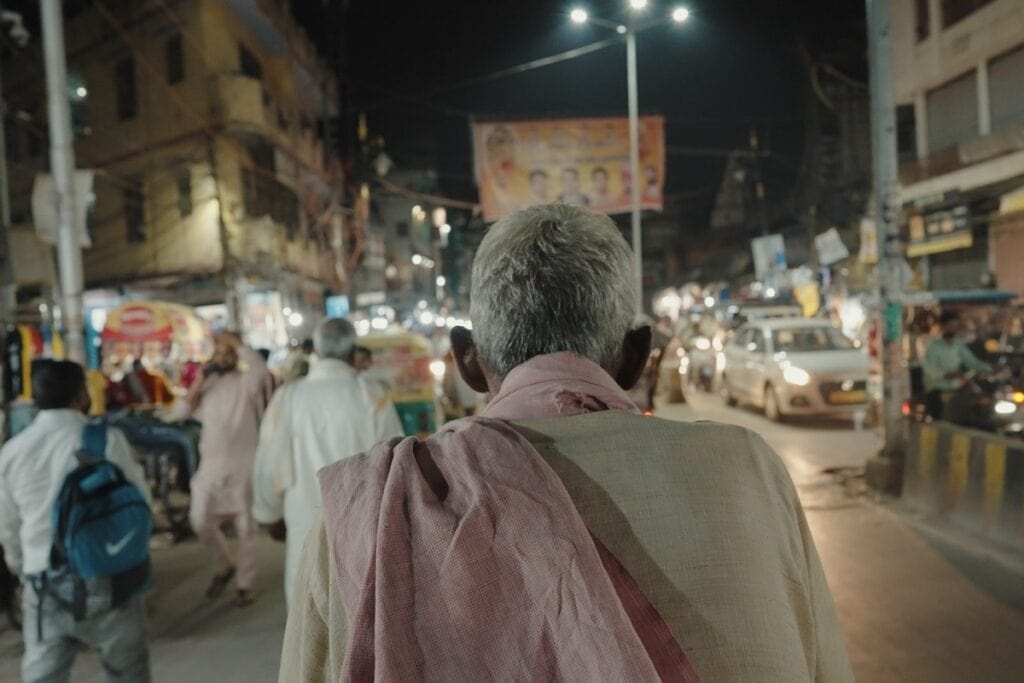
It seeks data-driven ways to help Varanasi manage the growing influx of annual visitors, whilst making the city more accessible for tourists and local residents, particularly older people and those with disabilities.
The Challenge in Kashi forms part of a wider $9M Sustainable Cities Challenge backed by TMF, with the funding shared equally between three host cities: Varanasi in India; Venice in Italy; and Detroit, USA. Overall, the Sustainable Cities Challenge aims to create cleaner, more efficient urban mobility systems worldwide.
Scalable solutions for people and places
In Varanasi, the Challenge attracted entries from innovators worldwide, with 10 semi-finalists invited to further develop their concepts over a six-month period. From that group, five have been selected as finalists.
Following rigorous evaluation by a panel of expert judges, these five were chosen based on criteria including innovation in crowd management, effectiveness, supporting data, potential to scale, and team capacity.
Judges looked for solutions that could better manage large crowds, improve the safety, accessibility and navigability of narrow lanes, and meaningfully alter crowd behaviour — all while demonstrating a strong understanding of the needs of locals, tourists and the feasibility of implementation. Each team was required to present a clear demonstration plan with measurable KPIs to support long-term impact and scalability.
A panel of five judges, combining expertise in data-driven technology, sustainable mobility, and urban design, alongside deep knowledge of local business and community needs, selected the following finalists:
- Arcadis is a world leader in delivering intelligence-driven sustainable design, engineering, and consultancy solutions for natural and built assets. The team’s proposal is for an integrated solution called SANKALP — an ecosystem of interconnected technologies designed to shift from reactive measures to proactive, intelligent crowd management. SANKALP will use real-time data, advanced simulation, mobile technology, and integrated communications platforms to keep people moving safely and efficiently.
- CITYDATA, Inc is a pioneering big data and AI company delivering mobility intelligence to foster smarter, safer, more sustainable, and resilient urban environments. Its proposal is CityFlow, a cloud-based solution using big data, computer vision, and generative AI to measure, analyse, simulate, and manage crowds in real time. Built on the MASI framework, it delivers actionable insights without the need for new hardware.
- VOGIC AI is at the forefront of Vision AI for public good, transforming video data into real-time intelligence for defence, smart cities, and crowd-sensitive public spaces. VOGIC AI’s solution is Behtar-Way, India’s first AI-powered, hyperlocal community-first pedestrian navigation platform. It will help guide citizens through safer, alternative routes, equipping city officials with real-time crowd intelligence.
- Prameya Consulting Pvt Ltd is an urban planning and strategy firm that aims to drive urban transformation through collaborative problem-solving and strategic planning. The team’s solution is Nayichaal, a phygital AI ecosystem combining a chatbot, navigation app, wayfinding signage, and a dashboard to improve mobility, inclusivity, and safety.
- The Urbanizer is a pioneering urban design, landscape design, and architecture firm based in India. It creates vibrant, sustainable urban spaces using a data-driven and human-centric approach. The team’s proposal is Jan Jatra, a people-first mobility solution blending local insights with colour-coded wayfinding, dynamic digital signage, and other tactical urbanism strategies to improve navigation and safety.
Each finalist will receive $130k in implementation funding to pilot its dedicated crowd-flow proposal for the popular pilgrimage destination of Kashi. Ultimately, in March 2026, up to three winners will be selected to share final implementation funding of $1.5M to further scale their solutions in the city.
Tradition meets technology, no compromise
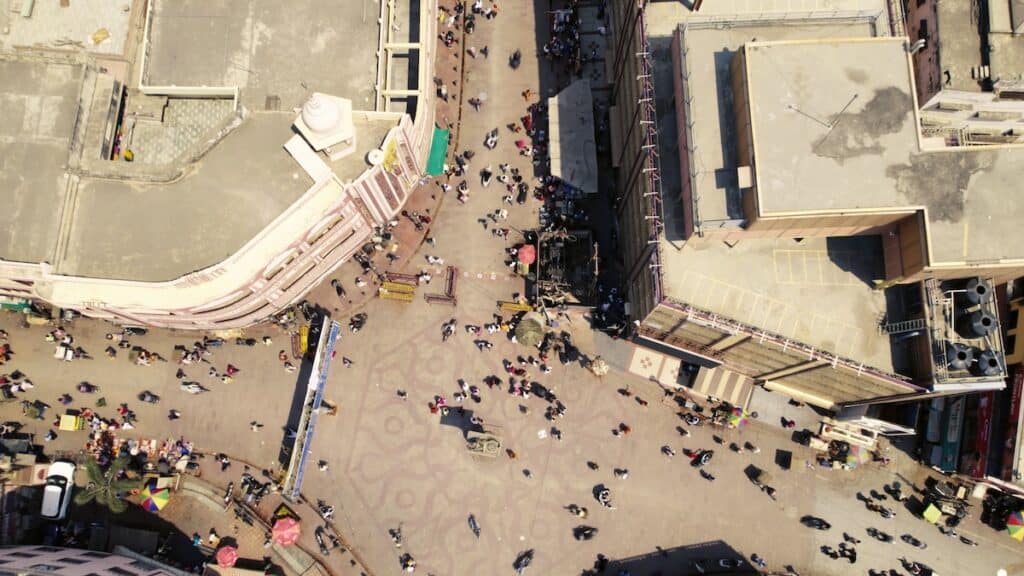
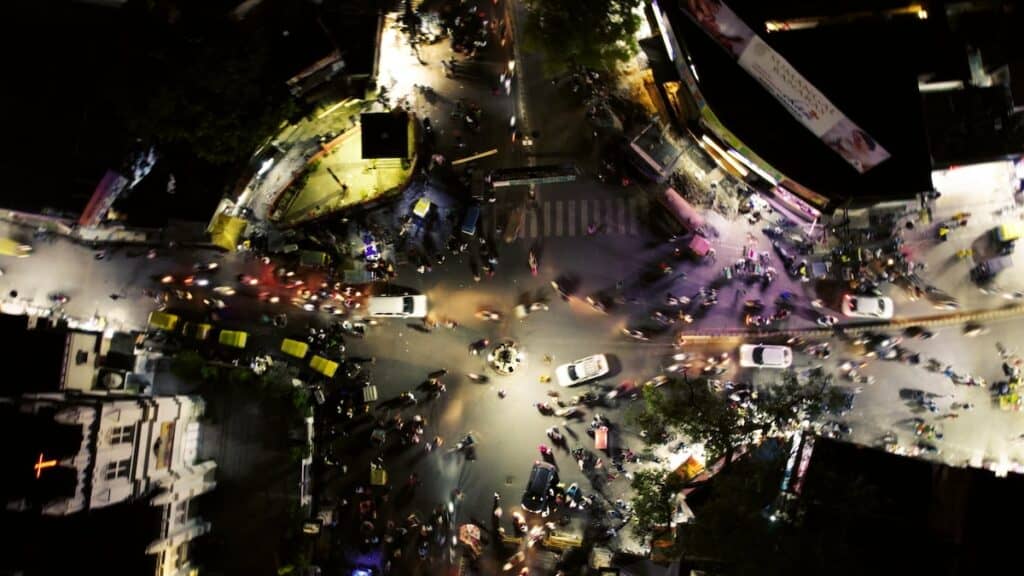
Through the Sustainable Cities Challenge, Varanasi is setting a standard for how historic and pilgrimage cities can embrace innovation without compromising their identity, says Akshat Verma, IAS, Municipal Commissioner/Chief Executive Officer, Varanasi Municipal Corporation/Varanasi Smart City:
“These five outstanding finalists are not only developing solutions that enhance safety, accessibility and the lived experience for both residents and pilgrims, but also ensuring they safeguard the cultural and spiritual fabric of Kashi for future generations. We hope the world will look to Varanasi as a model for how tradition and technology can co-exist to create more liveable, resilient cities.”
The city will prove an exemplar, agrees Avinash Dubedi, Head, Sustainable Cities and Transport at WRII.
“Varanasi, one of the world’s oldest and most visited cities, is fast emerging as a pioneer in sustainable mobility — setting a global benchmark for historic cities navigating the demands of modern movement. We are deeply inspired by the creativity, empathy, and innovation demonstrated by the participating teams.
“Their solutions go beyond easing congestion—they reimagine how people of all ages and abilities—residents, pilgrims, and those with special needs—can move through the city with dignity, safety, and ease.”
The finalists are exceptional, adds Pras Ganesh, Executive Program Director, Toyota Mobility Foundation:
“From a field of global innovators, these finalists stood out for their creative, practical, and contextual approaches to one of the world’s most complex mobility environments. As we move into the next phase, we’re excited to see how their solutions are implemented on the ground.”
In addition, TMF works with Toyota Kirloskar Motor for amplification and on-ground support towards effective implementation of its various initiatives in India. The proposals are exciting, says Vikram Gulati, Country Head and Executive Vice President – Corporate Affairs and Governance, Toyota Kirloskar Motor:
“We are truly inspired by the commitment and ingenuity of the five finalists. Their innovations have the potential to transform historic cities and set new global standards in crowd management and urban mobility.”
Spiritual capital on the banks of the Ganges

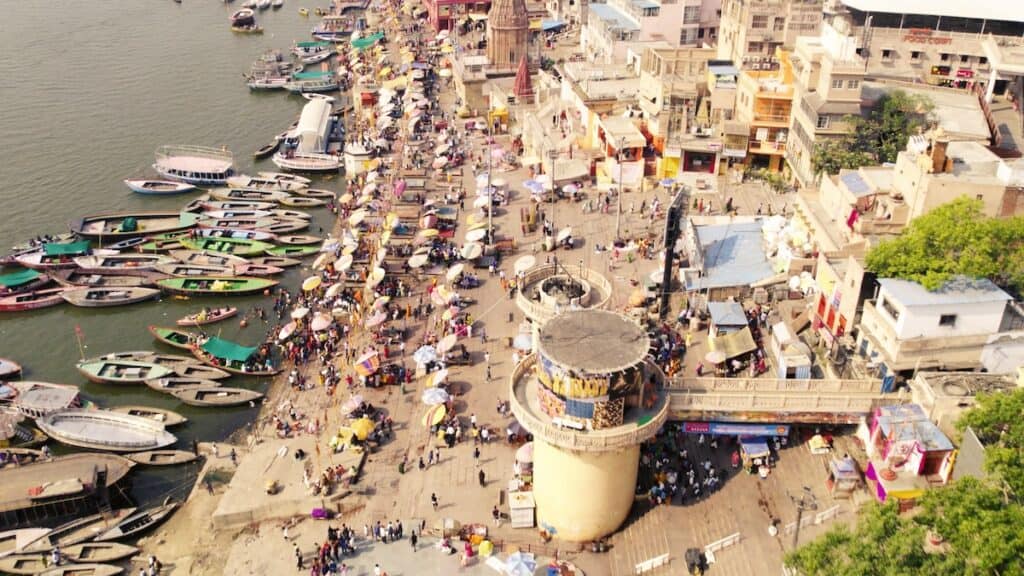
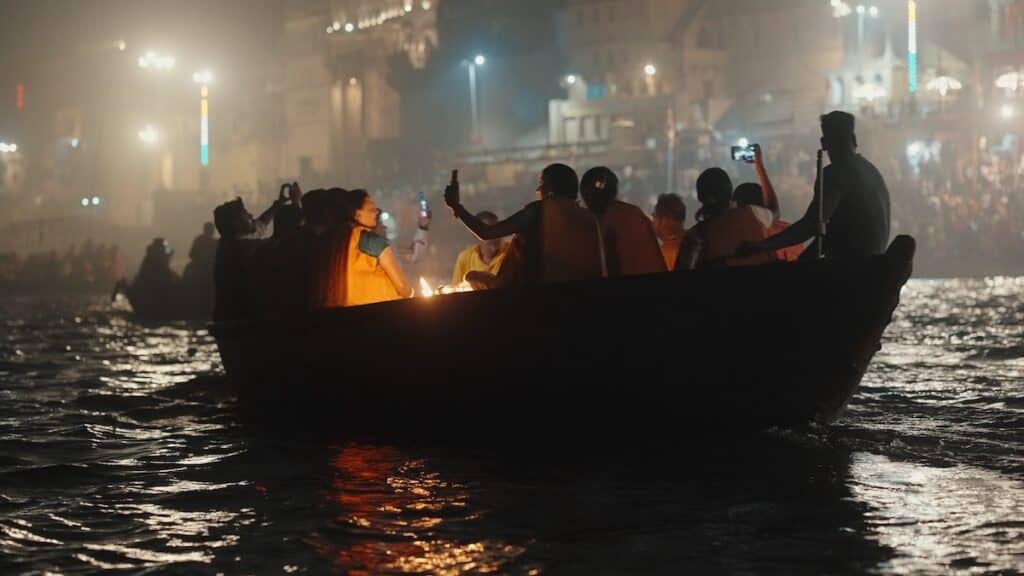
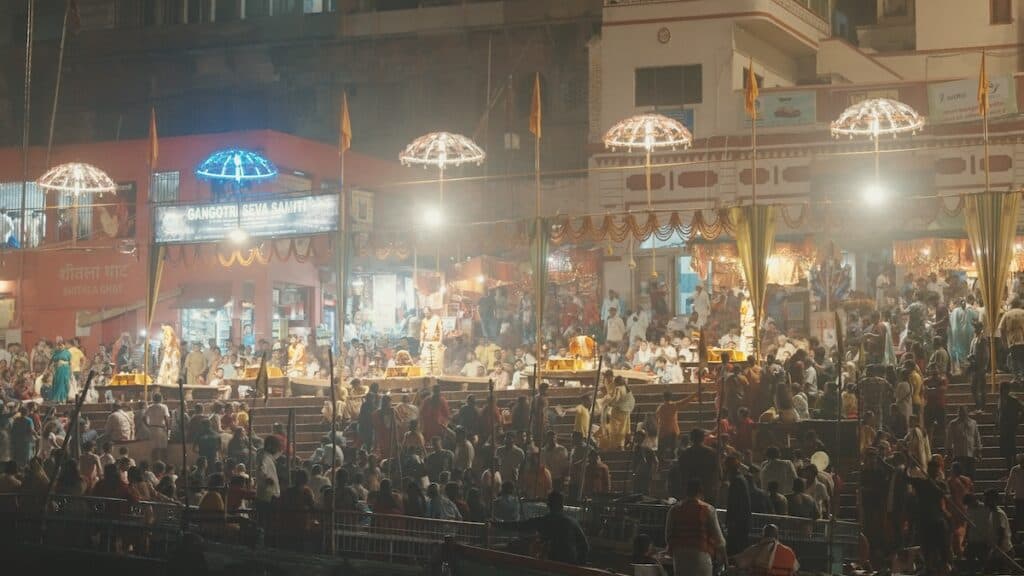
Located on the banks of the Ganges River in northern India, Varanasi is widely known as the ‘spiritual capital’ of the nation. The old city of Kashi within Varanasi is one of India’s most important pilgrimage sites, with millions of people visiting every year for religious and cultural reasons.
The inflow of tourists, however, when coupled with the city’s narrow, winding lanes and dense urban fabric, raises potential questions around safety and overcrowding.
Previous reports have suggested Varanasi attracted around 70 million visitors, which explains the need to enhance safety and accessibility, especially as most tourists are middle-aged and elderly people.
Scale is an issue, says Kathy Nothstine, Director of Cities and Societies at Challenge Works:
“As an important site of pilgrimage, the population of Varanasi grows exponentially throughout the year as people come to visit. This presents challenges for the city.”
In response, Varanasi is showing how to lead globally while solving locally, adds Nothstine:
“The finalist teams reflect the best of collaborative, interdisciplinary innovation, and their work will help transform how we think about movement, space and sacredness in dense urban areas.”
The Challenge offers a huge opportunity for the city, concludes Pawan Mulukutla, Executive Director of Integrated Transport, Clean Air & Hydrogen, Sustainable Cities and Transport, WRI India:
“In 2022, Varanasi’s floating population was estimated to be 35 times its local population. By strategic interventions and effective crowd management measures, the thriving heritage city of Varanasi can become a torchbearer of sustainable mobility for other tourist destinations globally.“
From Varanasi, to Detroit and Venice
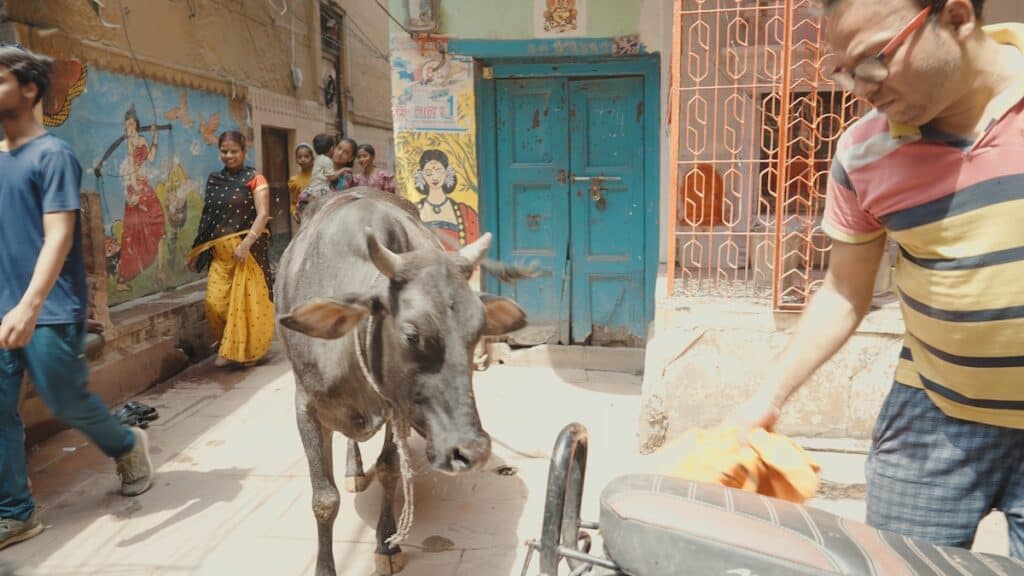
Varanasi is one of three cities to host challenges, alongside Detroit, USA and Venice, Italy. Over 150 cities from 46 countries around the world entered the challenge after it was first launched in June 2023.
Once known as the ‘Motor City,’ Detroit, Michigan, is looking to become a ‘Mobility City,’ seeking innovators who can help the city deploy clean and cost-effective mobility solutions as part of its transition.
The Transforming Freight Challenge is focused on Eastern Market, the nation’s largest food production and distribution centre. A growing residential and commercial presence means the city seeks solutions that tackle congestion and pollution caused by freight, to improve the community health and wellbeing.
By contrast, Venice is often pictured solely as a historic city, famous for its intricate network of canals. In reality, most of the population lives and works in mainland suburbs such as Mestre, Maghera, and other motorised islands, which serve as a crucial transportation hub connecting Venice to the mainland.
With a mobility landscape that is truly multi-modal, including land and water transport, the city has invested significantly in sustainable mobility infrastructure and services.
For its Embracing Sustainable Mobility Challenge, Venice is calling for innovative solutions that shift behaviour, encouraging an increased use and adoption of existing sustainable transport modes.
Global collaboration seeking city solutions
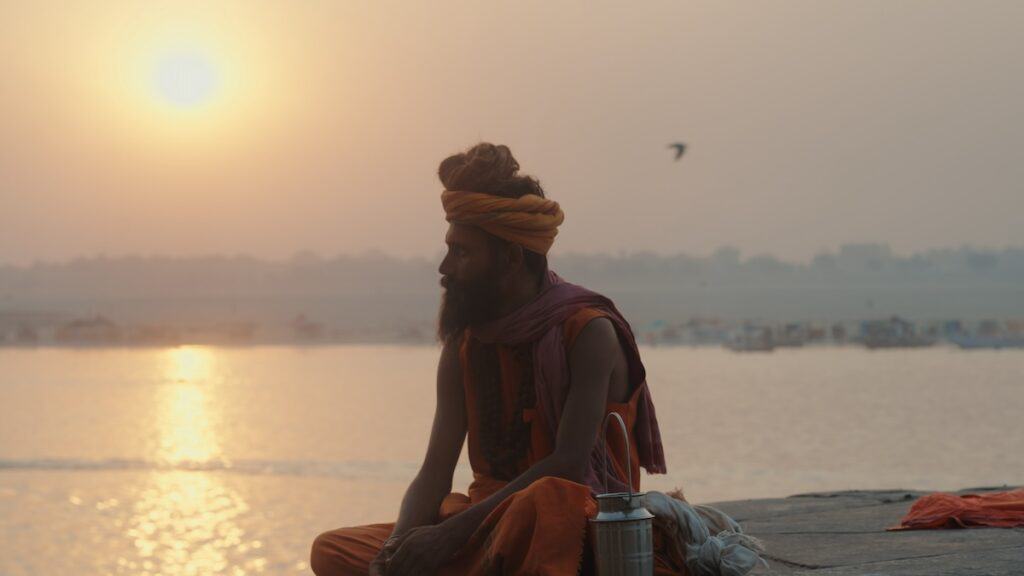
The Toyota Mobility Foundation (TMF) was established in August 2014 by the Toyota Motor Corporation (Toyota) to support the development of a more mobile society in which everyone can move freely.
The Foundation utilises Toyota’s expertise and technologies to support strong mobility systems while eliminating disparities. TMF works in partnership with universities, governments, non-profits, research institutions and other organisations, creating programmes that are aligned with the UN Sustainable Development Goals (SDGs) to address mobility issues around the world.
In the past, TMF has led a range of Challenges, including the global Mobility Unlimited Challenge, CATCH in Malaysia, InoveMob Challenge in Brazil and STAMP Challenge in India.
Challenge Works is a global leader in the design and delivery of high-impact challenges to incentivise cutting-edge innovation for social good. The most promising solutions are rewarded with seed funding and expert support. The innovation that is the best or quickest to solve the problem wins the grand prize.
Founded as a social enterprise by Nesta, the UK’s innovation foundation for social good, Challenge Works has helped deliver as many 101 challenge prizes over the past decade. This ongoing commitment has seen the organisation engage more than 16,000 innovators in total so far, unlocking over £310M in funding.
As an independent research organisation, World Resources Institute (WRI) leverages data, expertise and global reach to influence policy and change across systems like food, land and water, energy, and cities.
Its 2,000 staff work in more than a dozen focus countries and with partners in over 50 nations. Together they develop practical solutions to improve lives, protect and restore nature, and stabilise the climate.
* The story above is an updated version of a news item originally published on SustMeme in July 2024 — the images remain the same, but the text has been refreshed to include details of the Challenge Finalists announced August 2025.
Further Reading:
- More on Toyota Mobility Foundation (TMF); and the TMF Sustainable Cities Challenge;
- More on Challenge Works; and World Resources Institute (WRI);
- More on the TMF Innovating Crowd Flow Challenge in Varanasi;
- More on the TMF Transforming Freight Challenge in Detroit;
- More on the TMF Embracing Sustainable Mobility Challenge in Venice;
- Also on SustMeme, Regenerative design grows green-blue cities 42%;
- Also on SustMeme, Mobility Hotel drives urban green agenda;
- Also on SustMeme, Call for tech-driven proposals for resilient cities (IBM);
- Also on SustMeme, How regenerative tourism can become a green swan (Guest Blog);
- Also on SustMeme, Toolbox for urban decarbonisation and resilience;
- Also on SustMeme, Vehicle-to-Everything tech hits the road in smart-city Georgia;
- Also on SustMeme, Call to use urban car space to walk and cycle post-COVID.
Check out the full archive of stories on the SustMeme Built Environment Channel, now available to Sponsor.